Plenary session 4: Brownfield transformations for impact and social change
October 30th, 2026 — 9:30 - 10:30
Description
Urban environments increasingly demand that science parks, areas of innovation and innovation districts look beyond real estate occupancy metrics and serve as catalysts for urban regeneration, social inclusion, and community resilience. This session explores how former military sites, declining industrial areas and other brownfield locations can be transformed into platforms that connect technological development with wider public priorities, transforming physical real estate into lasting social infrastructure capable of supporting communities through economic shifts and catastrophic climate events.
The discussion draws on three very different settings. In Italy, a comparative study looks at science parks as “antipolis” interventions that reshape their surrounding cities across spatial, social and symbolic dimensions. In Panama, a former military base has become a hybrid science park and regional UN hub, with human rights, gender equality and SDGs embedded in its governance. In Brazil, an innovation district established on a restored industrial site explores how a MICE framework (Meetings, Innovation, Capability and Ecosystem governance) provided value as social and climate-monitoring infrastructure during regional flooding.
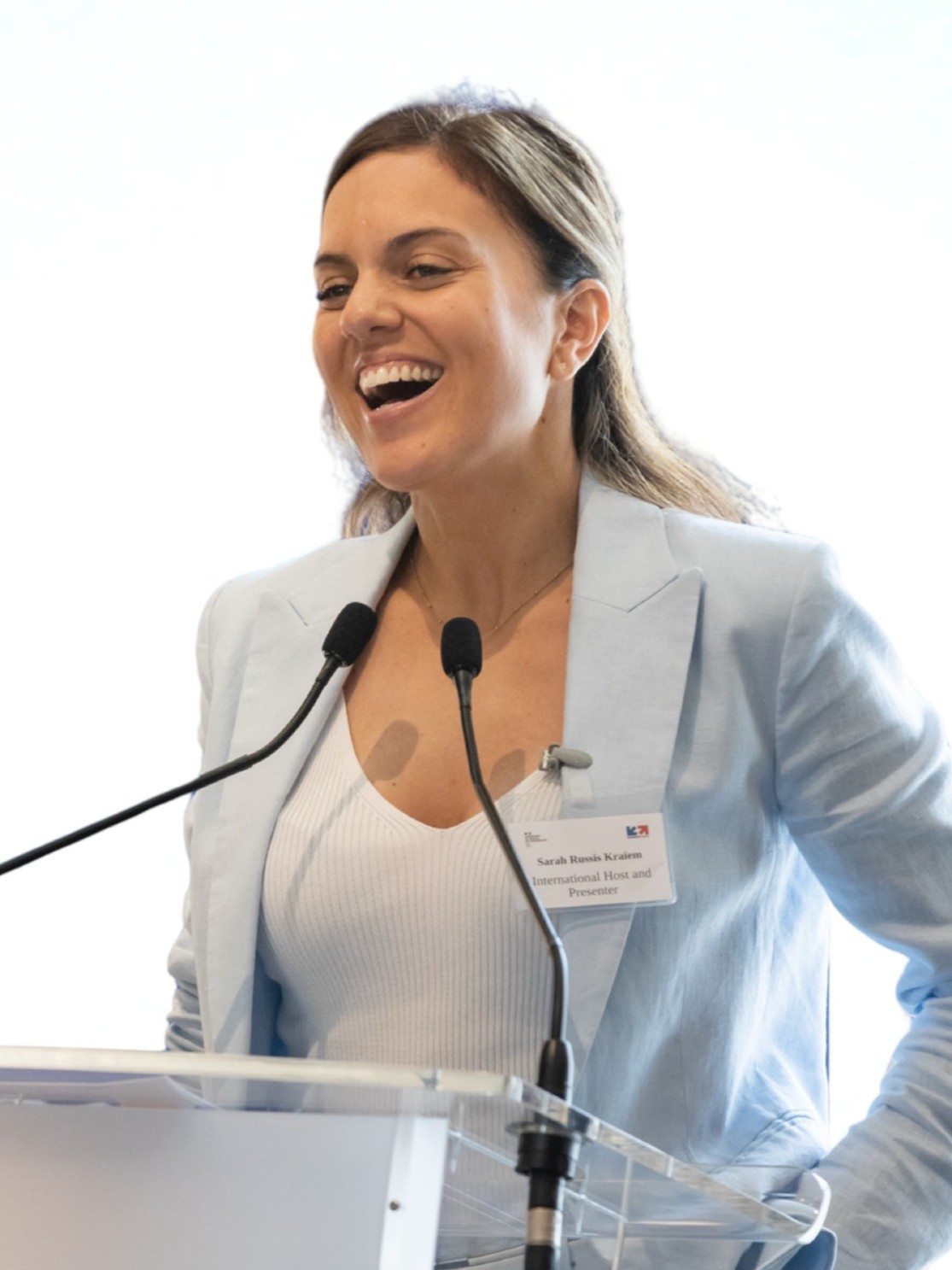
Moderator
Speakers